Managing Acidity & Diabetes While Enjoying Nashik’s Famous Street Food Culture
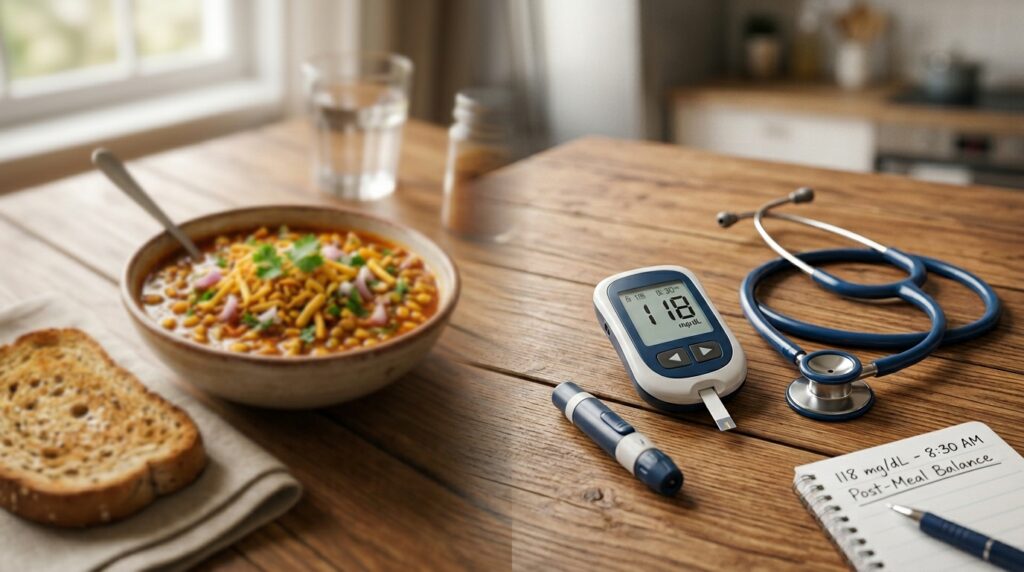
Nashik is a city that loves to eat. From the fiery, world-famous Misal joints dotted across the city to the bustling food stalls on College Road and Saraf Bazar, food is deeply woven into the fabric of a true Nashikkar’s lifestyle. Whether it’s a weekend family outing, a quick Vada Pav between meetings, or festive Jalebis, our local street food culture is undeniable.
However, at Niramay Hospital, our outpatient departments are seeing a rapid rise in two interconnected lifestyle conditions: chronic acidity (Gastroesophageal Reflux Disease or GERD) and Type 2 Diabetes.
Often, patients ask our doctors, “Do I have to completely stop eating my favorite foods?” The answer is no. Managing your gastrointestinal and metabolic health doesn’t mean eating only boiled vegetables for the rest of your life. It means understanding how your body reacts to certain foods and making smarter, informed choices. Here is a medical guide to managing acidity and diabetes without losing the joy of Nashik’s food culture.
The Fire Within: Understanding Acidity and Heartburn
Almost everyone experiences occasional indigestion after a heavy wedding meal or an extra-spicy Misal. But when heartburn becomes a weekly or daily occurrence, it crosses the line from normal indigestion into GERD.
Why does spicy and oily food cause acidity?
At the bottom of your esophagus (food pipe) is a ring of muscle called the lower esophageal sphincter (LES). Think of it as a one-way valve that opens to let food into the stomach and closes to keep stomach acid from washing back up.
High-fat foods (like deep-fried bhajiyas or tarri) and highly spiced foods can cause this valve to relax when it shouldn’t. Furthermore, oily foods take longer to digest, meaning they sit in your stomach longer, prompting the body to produce excess gastric acid. When this acid escapes back up the food pipe, it causes the burning sensation in your chest and throat known as acid reflux.
The Sugar Spike: Navigating Diabetes in a Carb-Heavy Culture
India is often called the diabetes capital of the world, and Nashik is no exception. Type 2 Diabetes and prediabetes are characterized by insulin resistance—where your body either doesn’t produce enough insulin or can’t use it effectively to process blood glucose.
The hidden danger in our local food culture isn’t just the visible sugar in sweets like Shrikhand or Peda; it is the massive amount of refined carbohydrates.
The Problem with ‘Pav’
Many of Nashik’s favorite snacks—Misal Pav, Vada Pav, Pav Bhaji—rely heavily on white bread (pav). Refined flour (maida) has a very high Glycemic Index (GI). This means it is broken down into glucose extremely quickly by the digestive system, causing a rapid spike in blood sugar levels. For a diabetic patient, these sudden spikes and subsequent crashes damage blood vessels over time and make long-term HbA1c management very difficult.
Smart Strategies: How to Enjoy Local Food Safely
You can protect your digestive tract and manage your blood sugar levels by adopting these dietary modifications and mindful eating habits:
1. The “Half-and-Half” Rule for Carbs
If you are eating Misal, try to reduce the amount of pav you consume. Eat more of the sprouts (matki), which are rich in fiber and protein. Fiber slows down digestion, which prevents sudden blood glucose spikes and keeps you feeling full longer.
2. Watch the ‘Tarri’ (Oil/Spices)
You don’t have to eat bland food, but you can control the oil. When ordering outside, request less tarri or oil. If you suffer from frequent acid reflux, avoid eating highly spicy foods on an empty stomach. Always start with a hydrating, cooling base like fresh buttermilk (chaas) without added sugar.
3. Timing is Everything for Acidity
The biggest mistake people make is eating a heavy, spicy meal late at night and immediately going to sleep. Lying flat removes the benefit of gravity, allowing stomach acid to easily flow into the chest.
- Rule of thumb: Finish your dinner at least 2 to 3 hours before going to bed. Take a 15-minute gentle walk after eating to aid digestion and help lower post-meal blood sugar levels.
4. Stay Hydrated, but Time Your Water
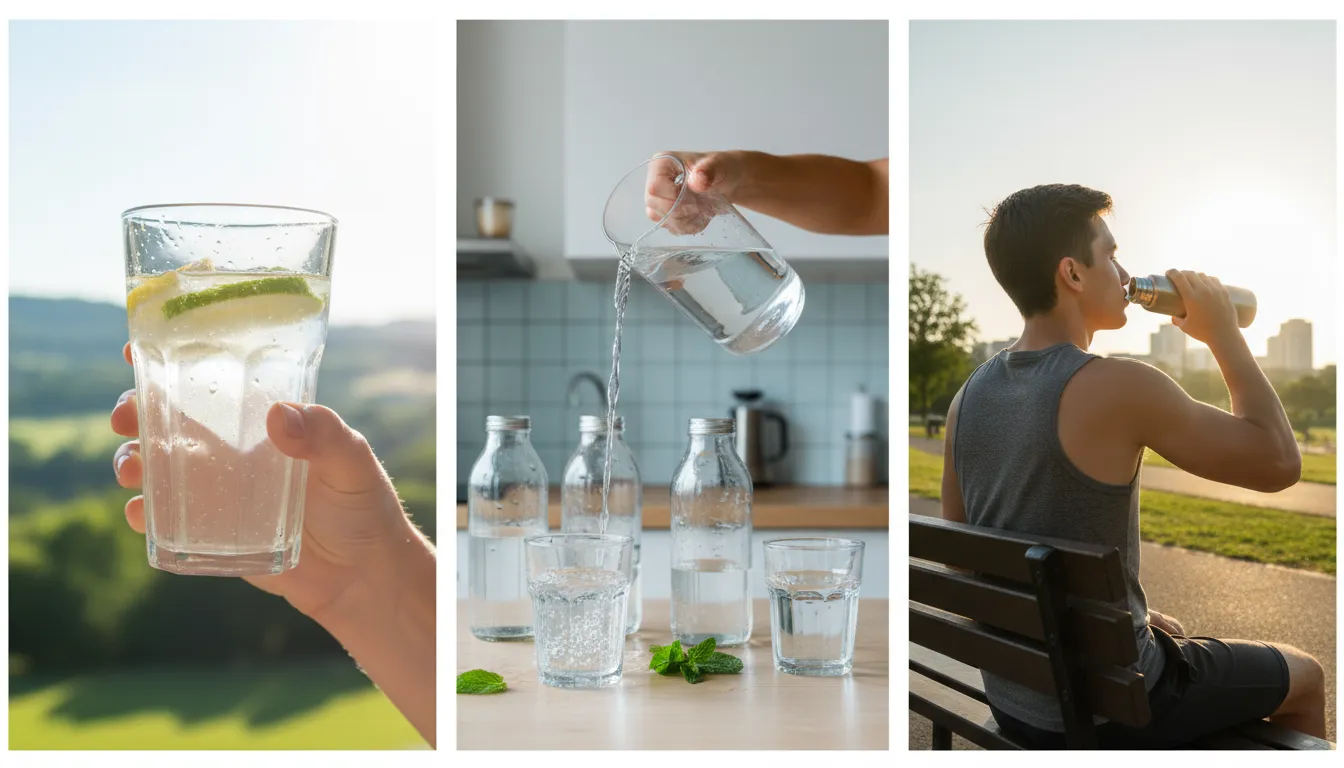
Drinking a large glass of water immediately after a heavy meal can actually dilute your digestive enzymes and increase the pressure in your stomach, worsening acid reflux. Instead, sip water throughout the day, and drink a glass of water 30 minutes before your meal to prevent overeating.
5. Beware of Liquid Calories
Sugary beverages, packaged juices, and even overly sweet local cold drinks are a disaster for diabetic patients. They lack fiber and dump glucose directly into the bloodstream. Opt for unsweetened lime water (nimbu pani), tender coconut water, or plain water instead.
When Home Remedies Are No Longer Enough
Many people rely on over-the-counter antacids (like ENO or Gelusil) or home remedies (like drinking cold milk) to manage their symptoms. While these offer temporary relief, they do not cure the underlying problem.
You should book a consultation at Niramay Hospital if you experience any of the following:
- For Acidity: You need antacids more than twice a week, you experience difficulty swallowing, or you have a persistent dry cough or sore throat (silent reflux). Chronic, untreated GERD can eventually lead to esophageal damage.
- For Diabetes: You feel constantly thirsty, frequently urinate at night, experience unexplained weight loss, or have blurry vision. Regular monitoring of Fasting Blood Sugar and HbA1c is crucial.
Partner with Niramay Hospital for Your Health
Living in Nashik means enjoying the vibrant culture and food the city has to offer. But true enjoyment comes when you are physically healthy and free from chronic pain or fatigue.
By making small, mindful dietary modifications, you can protect your digestive and metabolic health. If you are struggling to manage your blood pressure, blood sugar, or chronic indigestion, you don’t have to figure it out alone.
Take control of your health today. Book a comprehensive health checkup or consult with our expert Physicians and Specialists at Niramay Hospital, Nashik.

0 Comments