A Focus on Eye Care: How We’re Protecting Vision Across Nashik
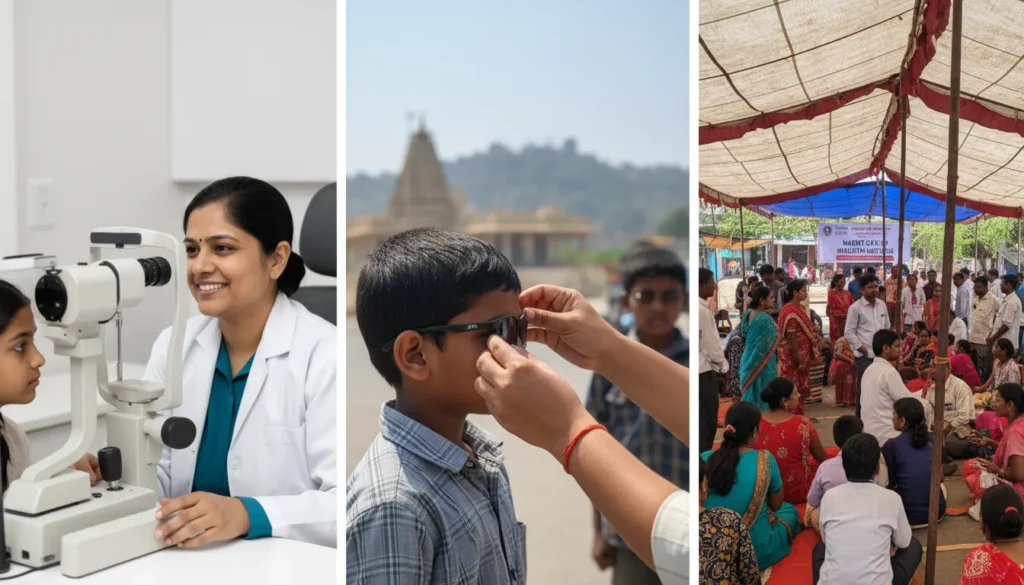
Our vision is perhaps the most cherished of our senses. It allows us to witness the breathtaking beauty of the sunrise over the Sahyadri mountains, the vibrant chaos of our local markets, the intricate details of our rich cultural heritage, and the loving faces of our family and friends. In a city as visually stunning as Nashik, our eyesight is intrinsically linked to our quality of life and our connection to the world around us.
Yet, in the hustle and bustle of daily life, we often take our vision for granted. We tend to react to eye problems only when they become significant, overlooking the subtle signs that our eyes need attention. At Niramay Hospital, we believe that proactive, compassionate, and expert eye care is a cornerstone of community health. Our Ophthalmology Department is dedicated to not just treating eye diseases, but to preserving the precious gift of sight for every individual in Nashik.
This comprehensive guide is designed to empower you with the knowledge to protect your vision, understand common eye conditions, and recognize when it’s time to seek professional care.
Common Eye Conditions Affecting the Nashik Community
While some eye conditions are universal, certain lifestyle and environmental factors can influence their prevalence. Understanding these common issues is the first step toward effective prevention and treatment.
- Cataracts: A cataract is the clouding of the eye’s natural lens, which can make vision blurry, hazy, or less colorful. It is a leading cause of vision loss, particularly among older adults. While aging is the primary cause, factors like prolonged sun exposure—a significant consideration in our sunny climate—and health conditions like diabetes can accelerate its development.
- Diabetic Retinopathy: With a rising incidence of diabetes in India, this complication has become a major concern. High blood sugar levels can damage the blood vessels in the retina, the light-sensitive tissue at the back of the eye. If left untreated, it can lead to severe vision loss and even blindness. Regular eye screenings are absolutely critical for anyone with diabetes.
- Glaucoma: Often called the “silent thief of sight,” glaucoma is a group of eye diseases that damage the optic nerve, usually due to high pressure inside the eye. It often develops slowly and without early symptoms, which is why regular check-ups are essential for early detection before irreversible vision loss occurs.
- Digital Eye Strain (Computer Vision Syndrome): In our increasingly digital world, professionals, students, and even children in Nashik are spending more hours than ever in front of screens. This can lead to symptoms like dry eyes, headaches, blurred vision, and neck pain.
- Refractive Errors: Nearsightedness (myopia), farsightedness (hyperopia), and astigmatism are extremely common and affect people of all ages. While easily corrected with glasses or contact lenses, uncorrected refractive errors in children can impact their learning and development.
- Eye Allergies and Dry Eye: Environmental factors like dust, pollen, and pollution can trigger allergic conjunctivitis, causing itching, redness, and watering. Similarly, dry eye syndrome, where the eyes don’t produce enough quality tears, is a common complaint that can be exacerbated by air conditioning and screen use.
A Lifetime of Healthy Vision: Proactive Steps You Can Take
Protecting your vision is a lifelong commitment that involves simple, daily habits.
- Eat for Your Eyes: A diet rich in antioxidants and vitamins can significantly benefit your eye health. Incorporate leafy green vegetables (spinach, methi), colorful fruits (oranges, papayas), and foods high in omega-3 fatty acids (walnuts, flaxseeds) into your family’s meals.
- Protect from the Sun: Always wear sunglasses that block 100% of UVA and UVB rays when you are outdoors. This simple step can help reduce your risk of developing cataracts and other sun-related eye damage.
- Follow the 20-20-20 Rule: To combat digital eye strain, take a break every 20 minutes to look at something 20 feet away for at least 20 seconds. This helps relax your eye muscles.
- Maintain a Healthy Lifestyle: Chronic conditions like diabetes and high blood pressure can severely impact your vision. Managing these conditions through a healthy diet, regular exercise, and avoiding smoking is crucial for your overall and ocular health.
- Prioritize Safety: Use protective eyewear when playing sports, working with tools, or handling chemicals to prevent serious eye injuries.
When to Consult an Ophthalmologist
It is vital to schedule regular comprehensive eye exams, even if you have no symptoms. However, you should seek immediate medical attention if you experience any of the following:
- Sudden loss of vision in one or both eyes
- Sudden hazy or blurred vision
- Flashes of light or sudden onset of “floaters” (black spots) in your field of vision
- Halos or rainbows around lights
- Severe or persistent eye pain, redness, or discharge
- Double vision
Advanced and Compassionate Eye Care at Niramay Hospital
The Ophthalmology Department at Niramay Hospital is your trusted partner in vision care. We combine the expertise of our experienced ophthalmologists with advanced diagnostic technology and modern treatment facilities to offer a complete spectrum of eye care services.
Our commitment to the Nashik community includes:
- Comprehensive Eye Examinations: We conduct thorough evaluations to assess your vision and screen for diseases like glaucoma, cataracts, and diabetic retinopathy.
- Advanced Cataract Surgery: We utilize modern, minimally invasive surgical techniques to remove cataracts and restore clear vision, helping patients regain their independence.
- Glaucoma Diagnosis and Management: Our team provides long-term management plans, including medication and surgical options, to control eye pressure and preserve vision.
- Retinal Services: We offer specialized care for patients with diabetic retinopathy and other retinal conditions, using advanced treatments to protect and restore sight.
- Pediatric Eye Care: We provide specialized, gentle care for our youngest patients, from routine vision screenings to the management of conditions like squint and lazy eye.
- Personalized Treatment: We understand that every patient is unique. Our ophthalmologists are committed to creating personalized treatment plans that address your specific needs and concerns with precision and care.
Your vision connects you to the world in a profound way. Protecting it is one of the most important investments you can make in your overall well-being. Don’t wait for a problem to arise.
0 Comments