Your Family’s First-Aid Kit: What Every Home in Nashik Should Have
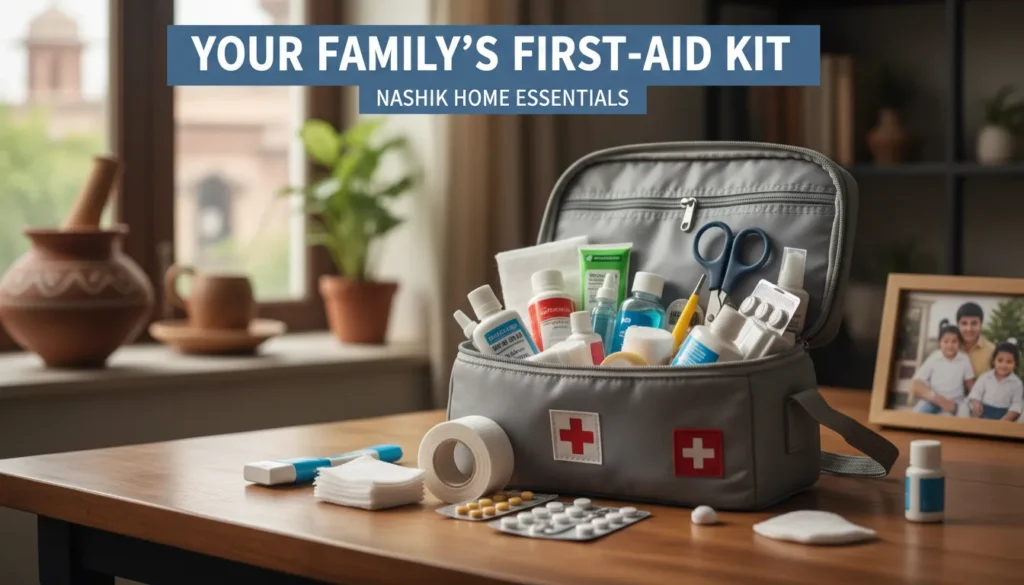
In the rhythm of our daily lives in Nashik—from the bustling city streets to the tranquility of our homes—minor accidents and unexpected health concerns can happen when we least expect them. A scraped knee from a child’s energetic play, a minor burn from the kitchen, a sudden fever, or an allergic reaction—these are common, everyday occurrences. While most are not serious, being prepared to handle them immediately and effectively can prevent complications and provide immense peace of mind.
This is where a well-stocked first-aid kit becomes one of the most essential items in your household. It’s not just a box of bandages; it’s your family’s first line of defense in managing minor injuries and ailments at home, before professional medical help is needed.
At Niramay Hospital, we are deeply committed to the health and safety of our community. We believe that preparedness is a vital part of a healthy family life. That’s why we’ve created this comprehensive guide to help every family in Nashik build and maintain a first-aid kit tailored to your unique needs.
Why Every Home Needs a First-Aid Kit
A first-aid kit is a simple yet powerful tool for empowerment. It allows you to:
- Respond Immediately: Quick action can reduce the severity of an injury, prevent infection, and ease pain.
- Manage Minor Issues at Home: For small cuts, scrapes, and burns, having the right supplies on hand can save you a trip to the clinic.
- Provide Temporary Care: In the event of a more serious injury, a first-aid kit can help you stabilize the situation while you seek emergency medical care.
- Ensure Peace of Mind: Knowing you are prepared to handle minor emergencies gives you the confidence to care for your loved ones.
Building Your Essential Home First-Aid Kit: A Checklist
You can purchase a pre-made kit, but building your own allows you to customize it for your family’s specific needs. Store everything in a sturdy, easy-to-open container and keep it in a cool, dry place that is easily accessible to adults but out of reach of young children.
The Basics: For Wounds and Injuries
This section covers the essentials for cleaning, dressing, and protecting minor wounds.
- Sterile Gauze Pads and Rolls: In various sizes to cover and clean wounds.
- Adhesive Bandages (Plasters): A variety of shapes and sizes for cuts and scrapes.
- Antiseptic Wipes or Solution: (e.g., Dettol or Savlon) to clean wounds and prevent infection.
- Medical Adhesive Tape: To secure gauze and dressings.
- Cotton Balls and Cotton-Tipped Swabs: For applying ointments and cleaning small areas.
- Elastic Bandage (Crepe Bandage): For sprains and strains.
- Antiseptic Ointment: To apply to minor wounds before dressing.
- Triangular Bandages: Can be used as a sling or to secure dressings.
Essential Medications
Consult your doctor or pharmacist for the appropriate dosages for your family members, especially children.
- Pain and Fever Relievers: Paracetamol and/or Ibuprofen.
- Antihistamine Cream or Tablets: For insect bites, stings, and allergic reactions.
- Antacid: For indigestion and heartburn.
- Oral Rehydration Salts (ORS): Essential for dehydration caused by vomiting or diarrhea, especially during warmer months.
- Calamine Lotion: To soothe skin irritation, rashes, or insect bites.
- Personal Medications: Ensure you have an extra supply of any prescription medications your family members need.
Important Tools and Supplies
These instruments will help you use your first-aid supplies effectively.
- Small, Sharp Scissors: For cutting tape and gauze.
- Tweezers: For removing splinters or debris from wounds.
- Digital Thermometer: To check for fever.
- Disposable Gloves: To protect yourself and prevent infection when treating a wound.
- Instant Cold Packs: To reduce swelling from sprains or bruises.
- Emergency Contact List: Include numbers for your family doctor, Niramay Hospital’s emergency line, and other local emergency services.
Nashik-Specific Considerations
- For the Monsoon Season: Include waterproof bandages and an anti-fungal powder or cream, as the humid climate can increase the risk of skin infections.
- Insect Repellent: Given our proximity to green spaces, a good quality insect repellent is a wise addition.
Maintaining Your Kit
A first-aid kit is only useful if it’s ready when you need it.
- Check Expiry Dates: Twice a year, go through your kit and replace any expired medications or sterile items.
- Restock After Use: Whenever you use an item, make a note to replace it as soon as possible.
- Review and Update: As your family’s needs change (e.g., a new baby, new prescriptions), update the contents of your kit accordingly.
When to Seek Professional Medical Help
A first-aid kit is for minor issues. You should always seek immediate medical attention from a trusted facility like Niramay Hospital for:
- Deep cuts that won’t stop bleeding.
- Suspected broken bones.
- Serious burns.
- Difficulty breathing or severe allergic reactions.
- High, persistent fever.
- Any injury or illness you are unsure how to handle.
Your Partner in Health and Safety
Being prepared is a simple act of love for your family. By taking the time to build and maintain a first-aid kit, you are creating a safer home environment.
At Niramay Hospital, your family’s health is our highest priority. Our 24/7 Emergency Department is always ready to provide expert, compassionate care when you need it most.
Keep our emergency number handy, and for all non-urgent health consultations, we invite you to connect with our dedicated team of specialists. Stay safe, Nashik.

0 Comments