Stroke Warning Signs (FAST) & What to Do in Nashik
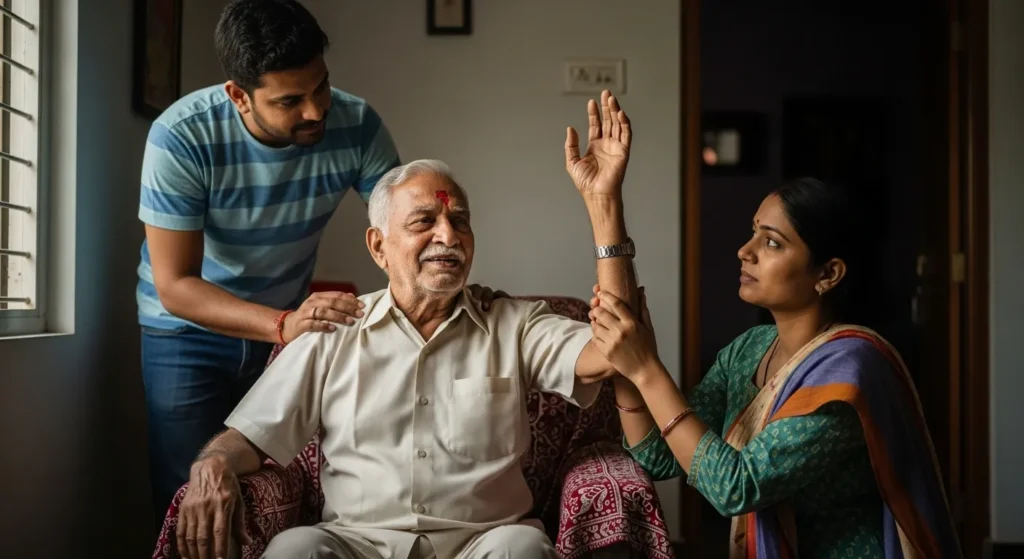
A stroke doesn’t always announce itself dramatically. Sometimes it starts with a slightly drooping smile, a suddenly “heavy” arm, or words that come out unclear. In that moment, the most valuable thing a family can have is clarity—what to look for and what to do next.
This guide explains the FAST test, other common stroke signs, and simple steps families in Nashik can follow to act faster.
Quick Summary
- Use FAST: Face drooping, Arm weakness, Speech difficulty, Time to act.
- Note the exact start time (or last seen normal).
- Keep the person safe, seated, and supervised.
- Share key details at the hospital: BP/diabetes history, medicines, allergies.
What is a stroke (in simple words)?
A stroke happens when the brain doesn’t get enough blood and oxygen. This can happen because:
- a blood vessel is blocked by a clot (ischemic stroke), or
- a blood vessel bursts and bleeds (hemorrhagic stroke)
The symptoms can look similar, which is why early evaluation is important.
The FAST test (easy for families to remember)
F — Face drooping
Ask the person to smile. Check if one side looks uneven.
A — Arm weakness
Ask them to raise both arms. See if one arm drops or feels weak.
S — Speech difficulty
Ask them to repeat a simple sentence. Listen for slurring or wrong words.
T — Time to act
If you notice any of the above, act quickly and note the time symptoms began.
Other stroke warning signs (beyond FAST)
FAST covers the most common patterns, but stroke signs can also include:
- sudden numbness/weakness (especially one-sided)
- sudden confusion or trouble understanding
- sudden trouble seeing in one or both eyes
- sudden dizziness, loss of balance, difficulty walking
- sudden severe headache that feels unusual
“Mini-stroke” (TIA): symptoms that go away still matter
Some people have symptoms that improve within minutes or hours. This is often called a TIA. Families sometimes wait because the person looks better.
A TIA can be an early warning. A timely checkup helps doctors look for causes and reduce the chances of a bigger event later.
Stroke risk factors common in Indian families
Stroke risk rises with age, but it can happen earlier too—especially when these are present:
- high blood pressure
- diabetes
- high cholesterol
- smoking/tobacco
- obesity and low activity
- heart rhythm issues (like atrial fibrillation)
- family history of stroke or heart disease
The “silent” risk: blood pressure
High BP often has no obvious symptoms. Regular BP checks and consistent control are one of the most practical ways to reduce stroke risk.
What to do in the first few minutes (practical steps)
- Keep the person seated and supervised to prevent falls.
- Note the start time (or last known normal time).
- Avoid giving food/water if swallowing seems difficult.
- Keep the medical basics ready:
- current medicines
- BP/diabetes history
- allergies
- any blood thinner use (if applicable)
What happens at the hospital (what families can expect)
Hospitals commonly evaluate stroke symptoms using:
- clinical examination (strength, speech, balance)
- blood pressure and blood sugar checks
- brain imaging (as advised by the doctor)
The key goal is to identify the cause quickly and plan treatment accordingly.
Recovery: what improves outcomes after the acute phase
Recovery often combines:
- risk factor control (BP, sugar, cholesterol)
- physiotherapy for strength and balance
- speech/swallow therapy when needed
- consistent follow-up and home support
FAQs
Can stroke happen in younger adults?
Yes—especially with high BP, diabetes, smoking, obesity, or strong family history.
Can stroke happen during sleep?
Yes. Symptoms may be noticed only when a person wakes up.
Is dizziness always a stroke?
No, but sudden dizziness with imbalance—especially with weakness or speech changes—needs evaluation.

0 Comments