Chest Pain: When It’s an Emergency vs Gas/Acidity (A Nashik Patient Guide)

Chest pain is one of the most confusing symptoms because it can come from many causes—some harmless and some life-threatening. Many people in Nashik experience chest discomfort after a heavy meal, stress, or acidity and assume it’s “just gas.” Sometimes it is. But sometimes chest pain is the body’s warning sign of a heart problem that needs urgent care.
This article is informational and designed to help you make safer decisions. When in doubt—especially if symptoms feel severe or unusual—treat it as an emergency.
Why chest pain should never be ignored
Your chest contains the heart, major blood vessels, lungs, food pipe (esophagus), ribs, muscles, and nerves. Pain can originate from any of these. The challenge is that heart-related pain doesn’t always feel like a dramatic “movie” heart attack—it can be mild, come and go, or feel like pressure, heaviness, burning, or tightness.
Common causes of chest pain
1) Heart-related causes (medical emergency risk)
- Heart attack (myocardial infarction)
- Unstable angina (reduced blood flow to the heart)
- Heart rhythm problems (sometimes felt as chest discomfort + palpitations)
2) Digestive causes (often mistaken for heart issues)
- Acidity/GERD (acid reflux)
- Gas and indigestion
- Esophageal spasm
3) Lung-related causes
- Pneumonia
- Pulmonary embolism (clot in lungs — emergency)
- Pleurisy (inflammation around lungs)
4) Musculoskeletal causes
- Muscle strain
- Costochondritis (inflammation of rib cartilage)
- Injury/trauma
5) Anxiety and panic attacks
Anxiety can cause chest tightness, fast heartbeat, sweating, and breathlessness—symptoms that can look like heart problems. But do not assume it’s “only anxiety” without ruling out cardiac causes, especially if you have risk factors.
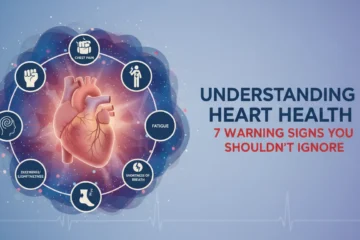
Heart attack warning signs (call emergency / go to ER)
If you have any of these symptoms, treat it as urgent:
- Pressure, tightness, heaviness, or squeezing in the center/left of chest
- Pain spreading to left arm, shoulder, back, neck, or jaw
- Shortness of breath (even without severe pain)
- Sweating, nausea, vomiting
- Dizziness, fainting, extreme weakness
- Sudden chest discomfort with fast/irregular heartbeat
Important: Heart attack symptoms can be different in women, elderly, and diabetics
Some people may not feel severe pain. They may feel:
- unusual fatigue
- nausea/indigestion-like discomfort
- breathlessness
- lightheadedness
If you have diabetes, high BP, high cholesterol, smoking history, obesity, or strong family history, be extra cautious.
How acidity/gas pain typically feels (not always dangerous—but still check)
Acidity-related chest discomfort often has these patterns:
- burning sensation behind the breastbone
- worse after spicy/oily food or lying down
- sour taste in mouth, burping, bloating
- may improve with antacid
However, acidity and heart pain can overlap. Relief with antacid does not guarantee it’s not heart-related.
Quick comparison: Heart pain vs acidity pain
More likely heart-related when:
- pain/pressure comes with sweating, breathlessness, nausea
- pain spreads to arm/jaw/back
- pain starts during exertion (walking, climbing stairs)
- you have known heart disease or strong risk factors
More likely acidity-related when:
- burning after meals + burping/bloating
- worsens when lying down
- improves after antacid + lifestyle changes
Again: if you’re not sure, choose safety and get checked.
What to do when you get chest pain (practical steps)
- Pause what you’re doing and sit comfortably.
- Note the start time, what you were doing, and how the pain feels (pressure/burning/sharp).
- Avoid heavy meals, smoking, and strenuous activity until you’ve been evaluated.
- Keep your medical information ready:
- age
- current medicines
- allergies
- diabetes/BP history
When should you see a cardiologist in Nashik?
A cardiology evaluation is commonly recommended when you have:
- repeated chest discomfort episodes
- chest pain during exertion
- palpitations with chest heaviness
- high BP/diabetes with new chest symptoms
- family history of early heart disease
Depending on symptoms, a doctor may suggest tests like ECG, echo, and blood tests.
Prevention: reduce your risk of heart disease
You can reduce risk with:
- controlling BP and blood sugar
- cholesterol management
- quitting smoking
- regular walking/exercise (as advised)
- healthy diet (less fried/sugary foods)
- stress management and good sleep
FAQs
Is chest pain always a heart attack?
No. Chest pain can have many causes, including acidity and muscle strain.
Can young people get heart attacks?
Yes, especially with risk factors like smoking, obesity, diabetes, high cholesterol, or strong family history.
What test is usually done first?
In many cases, an ECG is one of the first tests to check heart rhythm and possible heart strain.

0 Comments